Los Angeles Without a Car: How to See the City Like a Local
Los Angeles is often thought of as a driving city, but a growing network of transit, bike lanes, and walkable neighborhoods makes it easier than ever to explore without a car. Whether you’re visiting for a weekend or rediscovering the city, these practical tips and route ideas help you move smarter, save money, and enjoy LA at street level.
Plan smart before you go
– Use official transit apps and trip planners to compare subway, light-rail, and bus options. Many apps show real-time arrivals and route maps so transfers are seamless.
– Tap-and-go payment options simplify boarding; check how to load fares digitally or buy passes at stations.
– Build buffer time for popular destinations—transfers, hill climbs, and last-mile gaps are part of the LA experience.
Top no-car routes and neighborhoods
– Downtown LA to Arts District: Take rapid transit into downtown, then walk or bike to the Arts District for murals, coffee roasters, and creative breweries.
The area is compact and great for a stroll.
– Hollywood to Griffith Park: Public transit can get you near Hollywood Boulevard; from there a short ride or energetic walk leads to iconic viewpoints and trails at Griffith Park. Sunset views and the observatory draw crowds—arrive early to avoid peak times.
– Santa Monica and the beach: Light rail and buses connect central LA to the coast.
Once you reach the Santa Monica pier, most beachfront attractions are within easy walking distance. Consider a beach cruiser or e-bike for a breezy ride along the boardwalk.
– Culver City and Mid-City food crawl: Compact, walkable neighborhoods with strong food scenes are ideal for a bite-by-bite exploration.
Public transit hubs make hopping between restaurants and galleries straightforward.
Micromobility and last-mile options
Dockless e-scooters and e-bikes offer quick last-mile connections, especially between transit stops and neighborhood hubs. Follow posted speed limits, park in designated corrals, and keep pedestrians in mind. Many services require verification and a credit card on file—set those up before you ride.
Safety and etiquette
– Stay alert: Busy intersections and shared lanes call for extra attention from riders and pedestrians.
– Follow lane rules: Use bike lanes where available; yield to pedestrians on sidewalks and crossings.
– Pack light: An easy daypack makes transfers, stairs, and crowded trains simpler to manage.
Sustainability tips
Choose transit or micromobility for emissions reductions and less parking hassle. Bring a reusable water bottle and support local businesses—cafés, markets, and small shops benefit when visitors arrive on foot or by transit.
Must-see stops worth the effort
– Neighborhood markets and farmer’s markets offer seasonal produce and local flavors and are excellent places to people-watch and sample LA’s diverse culinary offerings.
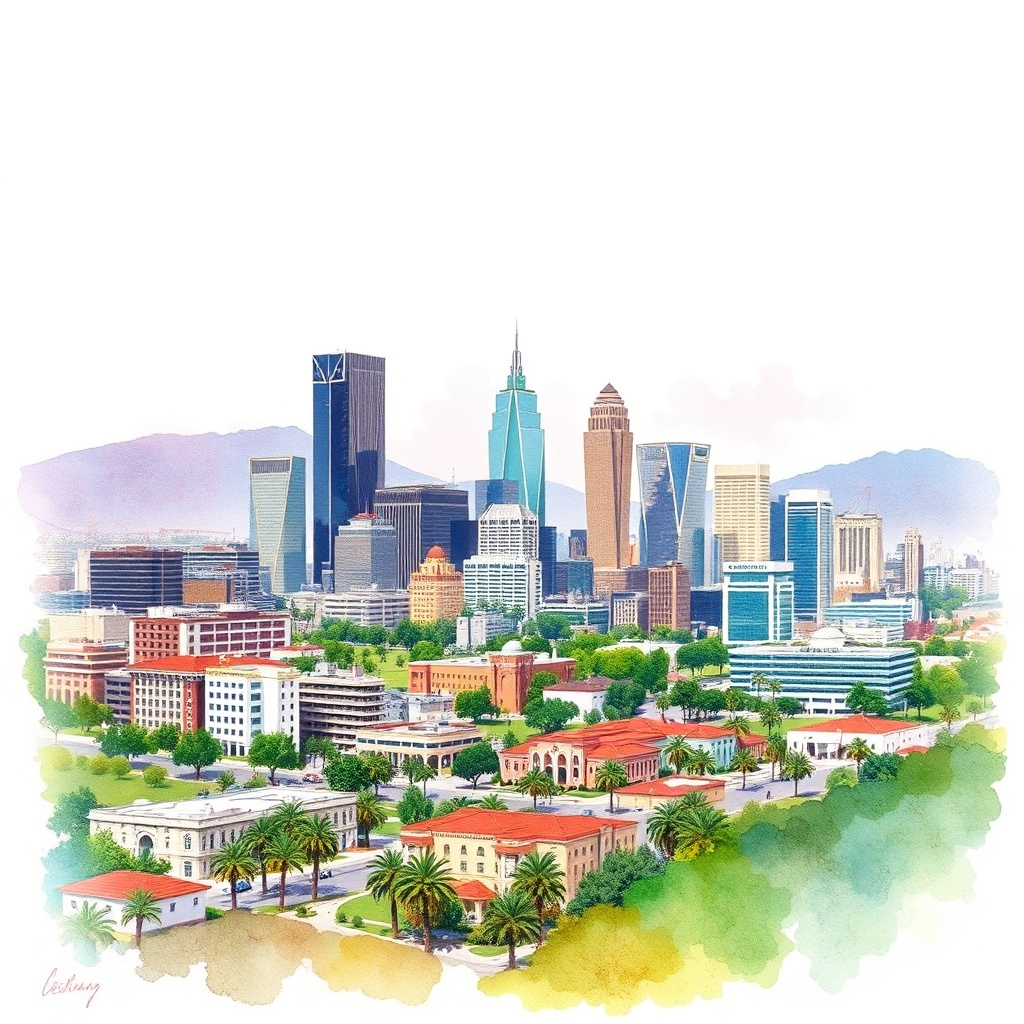
– Public art walks, rooftop gardens, and community parks provide urban respite without long commutes. Look for neighborhood walking tours that pack history, architecture, and food into manageable routes.
Exploring Los Angeles without a car reveals a different pace—more conversations, unexpected finds, and a deeper sense of the city’s layers.
With a little planning, public transit and micromobility open up corners of LA that are easy to miss when you only drive.