Los Angeles is evolving fast, balancing its signature sun-soaked lifestyle with a growing focus on resilience and livability. From neighborhood-scale green projects to citywide transportation upgrades, the shift toward a more sustainable, accessible LA is shaping how people live, work, and explore the region.
Why resilience matters in LA
Heat waves, water scarcity, and wildfire risk have pushed city leaders, businesses, and communities to rethink infrastructure. Rather than one-off fixes, the trend is toward integrated solutions: capturing stormwater, expanding urban tree canopy, promoting public transit and active mobility, and upgrading buildings to be cooler and more efficient. These efforts aim to protect vulnerable neighborhoods, reduce energy demand, and make streets safer and more pleasant.
Key initiatives changing the cityscape
– Water management: Greater emphasis on water recycling, stormwater capture, and incentives for drought-tolerant landscapes means yards and public spaces are getting greener without heavy watering. Homeowners and developers are increasingly adopting graywater systems and native plantings.
– Urban cooling: Cool roofs, reflective pavements, and planting street trees are being used to lower ambient temperatures. Community groups and local councils often collaborate on tree-planting drives to expand shaded corridors along major streets.
– Transit and mobility: Investment in rail and bus improvements, along with expanded bike lanes and scooter-share zones, is making it easier to rely less on cars. Transit-oriented development near major stations aims to shorten commutes and revitalize commercial strips.
– Building upgrades: Retrofit programs and building codes encourage energy-efficient retrofits, EV-ready parking, and seismic improvements. Multifamily buildings are a focal point for upgrades that benefit many residents at once.
– Wildfire and emergency preparedness: Defensible-space measures, vegetation management, and neighborhood evacuation planning are being promoted across the region. Local volunteer groups often support outreach to assist seniors and non-English-speaking residents with preparedness.
What this means for residents and visitors
– Expect more walkable, shaded corridors in many neighborhoods and cleaner local waterways as green infrastructure projects take root.
– Parking and driving patterns are shifting as more people adopt rideshare, transit, and micromobility options—plan trips with transit apps and allow extra time for peak periods.
– Cultural life remains diverse and vibrant: food, arts, and neighborhood events often center around outdoor plazas and revamped public spaces that host pop-ups, markets, and performances.
– Housing choices are evolving with more mixed-use developments and smaller-footprint units near transit hubs; this can mean more options but also competitive markets in popular neighborhoods.
Practical tips for living well in modern LA
– Embrace shade and carry sun protection when walking or biking—microclimates can vary widely across the region.
– Consider water-wise landscaping or drought-tolerant plants to lower bills and support local conservation efforts.
– Check transit maps and micromobility hubs before heading out; last-mile options can save time and parking headaches.
– Prepare an easy emergency kit and stay informed through neighborhood alert systems—preparedness reduces stress during extreme events.
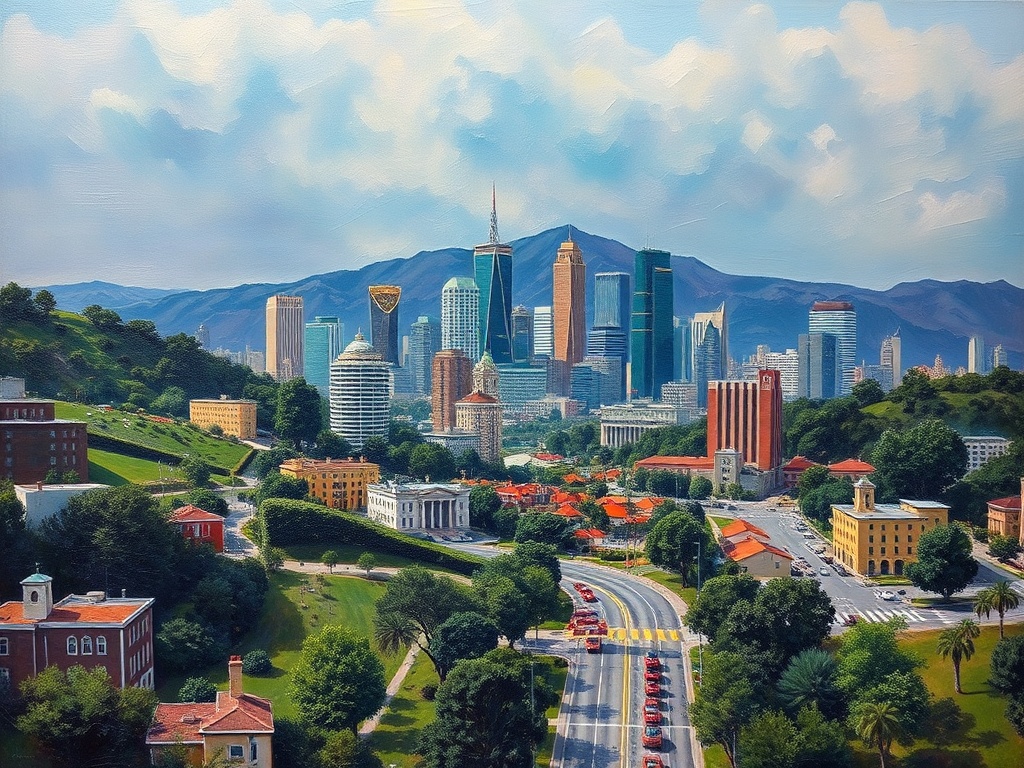
Los Angeles is reshaping itself around resilience, mobility, and community activation. The city’s mix of private initiative, public investment, and grassroots action is creating new, livable patterns that preserve the region’s vibrancy while preparing for shared challenges. Whether you’re a long-time Angeleno or a newcomer, these changes are worth watching—and taking part in.