Los Angeles heat is not just a summer headline—it’s a daily reality for many neighborhoods. As temperatures rise and summers stretch longer, the city is adapting with practical, scalable strategies that cut heat, conserve water, and make streets more livable. Here’s a concise guide to how Los Angeles is cooling down and what residents can do to stay comfortable and resilient.
Why urban cooling matters
Dense pavement, limited tree cover, and sprawling development combine to create the urban heat island effect, where city centers can be several degrees hotter than surrounding areas. That extra heat increases energy use, strains health services, and amplifies wildfire and air-quality risks. Addressing heat keeps neighborhoods safer, lowers utility bills, and improves quality of life.
Key strategies Los Angeles is using
– Urban greening and tree canopy
Planting trees remains one of the most effective long-term cooling measures. Trees provide shade, reduce surface temperatures, and improve air quality. Community-driven tree-planting initiatives, park improvements, and street tree maintenance programs are expanding canopy cover in historically underserved neighborhoods. Native and drought-tolerant species help ensure new trees survive with minimal irrigation.
– Cool roofs and reflective surfaces
Replacing dark roofing materials with reflective or light-colored coatings lowers home temperatures and cuts cooling costs. City programs and utility rebates often make these upgrades more affordable. Cool pavement treatments and increased use of shaded, permeable sidewalks also help reduce heat radiating from streets and parking lots.
– Water-wise landscaping and stormwater capture
Smart landscaping blends beauty with efficiency. Drought-tolerant plants, mulch, and drip irrigation reduce water use while shading soil and structures. Rain gardens and bioswales capture stormwater, recharge groundwater, and cool surfaces through evapotranspiration—benefits especially valuable in urban corridors.
– Shade infrastructure and microclimate design
Shade structures at transit stops, schoolyards, and plazas provide immediate relief. Thoughtful urban design—orienting buildings to encourage airflow, preserving green corridors, and using materials that don’t trap heat—makes neighborhoods more comfortable without major construction.
Practical steps for residents
– Plant strategically: Choose canopy trees for sidewalks and yards where space allows; use native shrubs and groundcovers in tight spots.
– Retrofit roofs: Explore cool-roof coatings, reflective membranes, or vegetated roofs for flats. Check local utility or city incentive programs for financial support.
– Rethink hardscape: Replace part of paved surfaces with permeable pavers, gravel, or planting beds to lower surface temperatures and improve drainage.
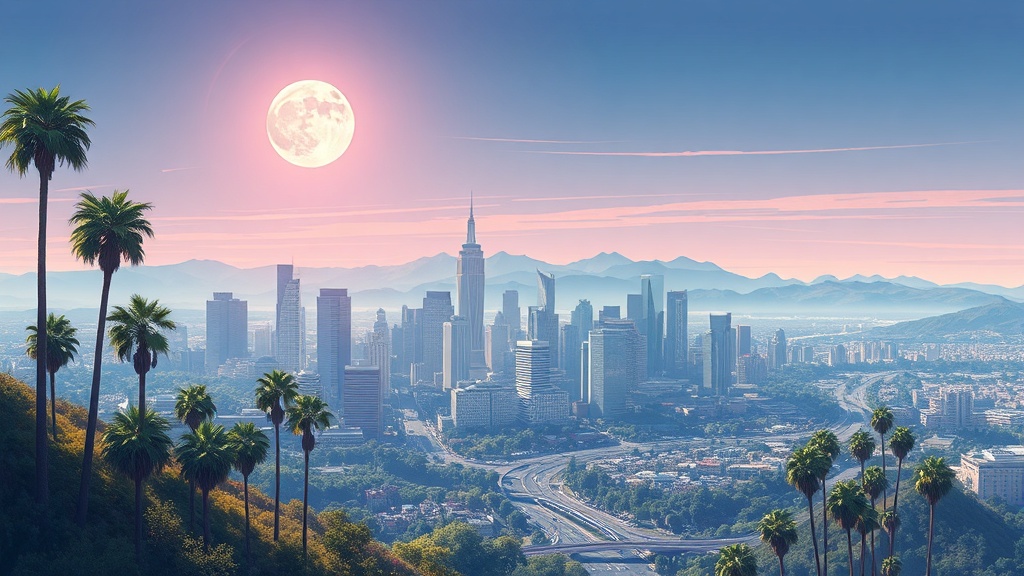
– Conserve smartly: Install efficient irrigation controllers and sensors to water only when needed. Group plants by water needs to avoid waste.
– Stay informed: Learn where local cooling centers, community resilience hubs, and heat resources are located—useful during extreme heat events.
Community and policy roles
Neighborhood groups, schools, and local businesses can partner with municipal programs to scale up tree planting, adopt shared open spaces, and advocate for equitable cooling investments. Policy measures—from zoning that favors green roofs to funding for shade at transit stops—help ensure benefits reach the neighborhoods that need them most.
Living cooler is a mix of small actions and citywide planning.
Every tree planted, cool roof applied, and permeable surface installed contributes to a more comfortable, healthier Los Angeles. Check local resources and neighborhood organizations to get involved and protect your block from the heat.