Los Angeles heat is shaping how neighborhoods, planners, and residents think about livability. As the region warms and urban heat islands intensify, cooling strategies are moving from nice-to-have landscaping to essential public-health measures. Los Angeles offers many models for making streets, homes, and public spaces more comfortable—especially in neighborhoods that need it most.
Why urban cooling matters
Dense pavement, dark rooftops, and limited tree cover trap heat, raising nighttime temperatures and increasing air-conditioning use. That combination drives higher energy bills, worsens air quality, and intensifies health risks for older adults, children, and people with respiratory or cardiovascular conditions. Investing in cooling delivers multiple returns: lower utility costs, fewer heat-related illnesses, improved walkability, and stronger local ecosystems.
Practical cooling strategies being used across the city
– Expand the tree canopy: Trees provide shade, lower surface temperatures, and filter air pollution. Targeted planting in heat-vulnerable neighborhoods helps reduce health disparities while boosting property values and community well-being.
– Cool roofs and light-colored surfaces: Reflective roofing materials and lighter pavement coatings reduce heat absorption. These measures lower indoor temperatures and decrease demand on the power grid during peak hours.
– Drought-tolerant landscaping (xeriscaping): Native and drought-resistant plants cut water use while creating shaded, pleasant outdoor spaces. Strategic placement of plants near windows and walkways can reduce cooling needs inside homes.
– Green infrastructure: Bioswales, rain gardens, and permeable pavement manage stormwater while lowering surface temperatures and creating habitat for urban wildlife.
– Pocket parks and shaded corridors: Small parks and continuous tree-lined streets encourage walking and biking by making the pedestrian environment cooler and safer.
– Community cooling centers and outreach: Public cooling centers, hydration stations, and targeted outreach during heat waves protect vulnerable residents. Local community organizations often partner with city departments to reach seniors and others who might not otherwise seek help.
What residents can do today
– Plant shade trees where they’ll block afternoon sun hitting windows and sidewalks.
– Replace dark mulch and pavement near living spaces with lighter materials to reduce reflected heat.
– Swap thirsty lawns for native, drought-tolerant gardens that stay green with minimal irrigation.
– Install a cool roof or add reflective coatings if feasible; many homeowners see noticeable drops in indoor temperatures.
– Use window shading—awnings, reflective films, and well-placed trees—to reduce cooling needs.
– Stay informed about local rebate and incentive programs for energy-efficiency upgrades and landscaping that conserves water.
Equity and long-term planning
Cooling efforts are most effective when they prioritize neighborhoods that have historically received fewer public investments. Equitable distribution of shade, green space, and infrastructure not only reduces temperature disparities but also enhances community resilience. Collaboration between city agencies, utilities, nonprofits, and resident groups amplifies impact—combining technical resources with local knowledge ensures projects meet neighborhood needs.
The payoff is tangible: lower energy costs, more comfortable streets and homes, and healthier communities. Small, coordinated actions—planting a tree, choosing a lighter roof, converting a strip of lawn—add up into meaningful change.
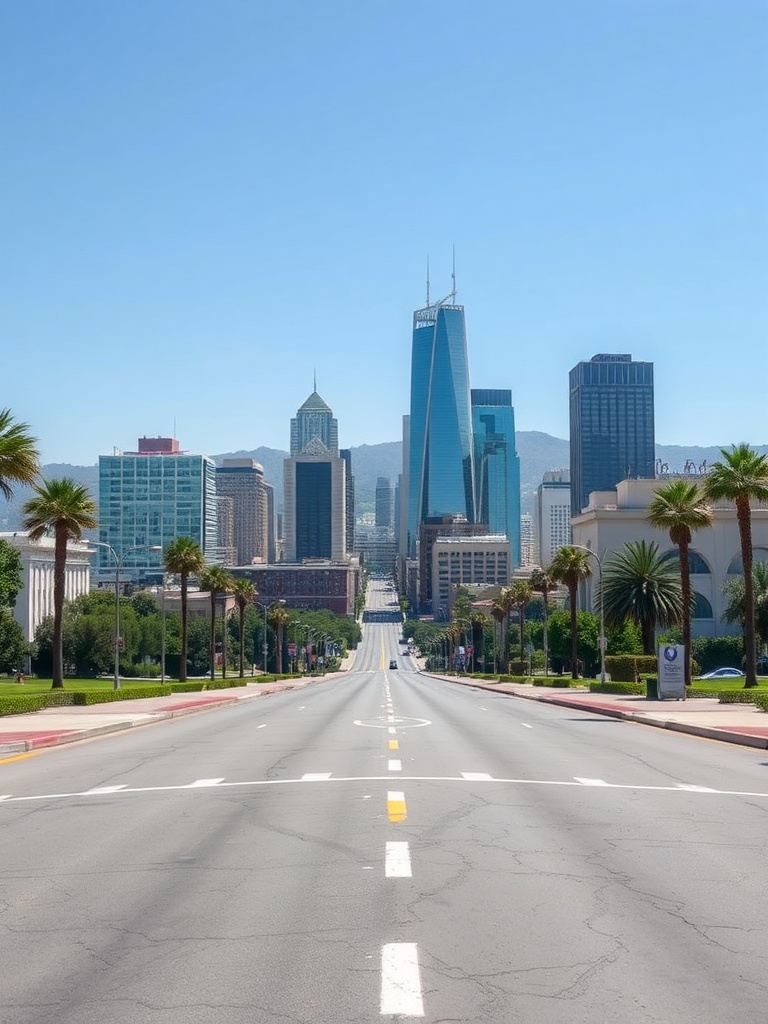
With thoughtful planning and community engagement, Los Angeles neighborhoods can become cooler, greener, and more livable for everyone.