Getting around Los Angeles: smart tips for navigating the sprawling city
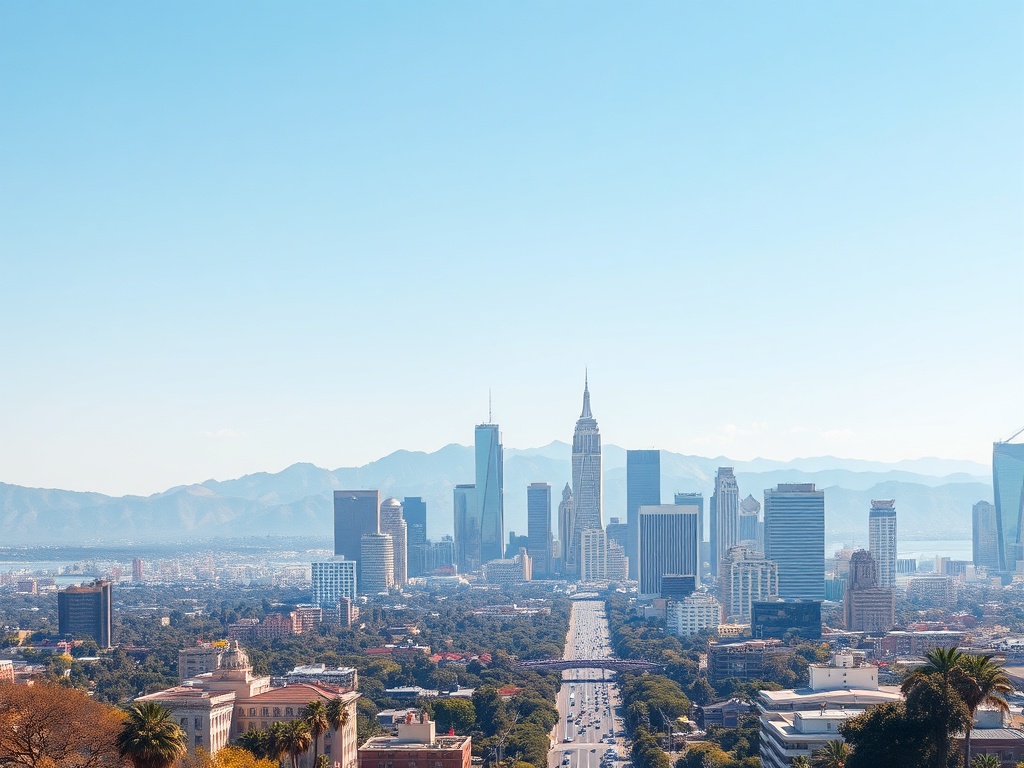
Los Angeles is a city of wide boulevards, diverse neighborhoods, and famously variable traffic.
Whether you’re commuting, visiting for the weekend, or exploring neighborhoods, a few practical travel habits will help you move efficiently and enjoy more of what LA offers.
Mix modes for speed and convenience
Driving may feel necessary for some trips, but combining options often saves time. Use Metro Rail for downtown-to-coastal routes that avoid freeway congestion, then grab a rideshare, e-scooter, or bike for first- and last-mile connections. Many Angelenos rely on hybrid commutes: park near a rail station or use park-and-ride lots, then hop on transit during peak congestion.
Use real-time apps and plan around traffic patterns
Traffic in LA is highly variable.
Real-time navigation apps help optimize routes and provide incident alerts. Consider leaving slightly earlier or later than standard rush windows to shave time off a commute. For event nights—concerts, sports, festivals—plan ahead for road closures and increased pick-up activity.
Airport connections made easier
LAX and the region’s other airports offer multiple transit options beyond taxis and rideshares. Airport shuttle services and express buses link to major transit hubs. Many terminals now connect to automated people-mover systems and dedicated transit stations that simplify transfers to rail and buses—use these to avoid curbside congestion.
Explore micro-mobility for short hops
E-scooters, dockless bikes, and e-bikes are widespread across central neighborhoods.
They’re ideal for short distances, sightseeing, and avoiding parking hassles. Follow local rules: use bike lanes where available, avoid sidewalks unless allowed, and park responsibly to keep sidewalks clear.
Helmet use and defensive riding are strongly recommended.
Make transit work for you
LA’s rail and bus network has expanded in recent years, making transit a practical option for many trips.
Check schedules and service alerts before heading out—some lines run more frequently during peak hours.
Tap cards and mobile payment options streamline boarding across bus and rail, enabling quicker transfers and less time standing at ticket machines.
Parking tips to reduce stress
Parking can be costly and scarce in popular neighborhoods. Use parking apps to reserve spaces in advance near major attractions, theaters, and beach areas. Read posted signs carefully—alternate-side rules and residential permits are enforced in many districts, and meter rules vary by location.
Safety and etiquette
Be mindful of local bike and pedestrian etiquette: yield to pedestrians, signal lane changes, and avoid blocking crosswalks. For rideshare pickups, use designated zones when available to reduce curbside congestion. Keep valuables out of sight when parking, and lock your vehicle—even during quick stops.
Discover scenic routes and leisure rides
Driving along the coast offers iconic views; coastal bike paths connect beaches with lively neighborhoods. For a more relaxed pace, consider taking transit to major cultural districts—many museums and entertainment venues are easily reachable without driving.
Sustainability and future mobility
Sustainable travel is increasingly visible across the city, with investments in rail, protected bike lanes, and electric vehicle infrastructure. Choosing transit, cycling, scooters, or carpooling not only eases personal stress but contributes to cleaner air and less congestion for everyone.
With a little preparation and willingness to mix modes, getting around Los Angeles becomes less about fighting traffic and more about enjoying the city’s neighborhoods, food scenes, and coastlines.
Keep a few apps handy, plan around peak times, and stay flexible—LA rewards those who adapt their route to the day’s rhythm.