Los Angeles is famous for sunshine, but that single image masks a patchwork of distinct microclimates that shape how Angelenos dress, commute, and spend their free time. Understanding these localized weather patterns makes daily life easier—whether you’re heading to the beach, hiking in the hills, or navigating midday downtown heat.
What to expect around the city
– Coast and beach neighborhoods: Areas along the Pacific enjoy steady ocean breezes and milder temperatures. Morning fog and low clouds—locally called “marine layer”—can linger into the first half of the day, then burn off for pleasant afternoons. Evenings can turn cool quickly, so a light jacket is sensible.
– Inland valleys and suburbs: Places farther from the ocean see wider temperature swings and hotter afternoons. Weekday commutes and outdoor activities often feel warmer here, and heat islands near commercial corridors can push temperatures higher than surrounding neighborhoods.
– Hills and high elevations: The Hollywood Hills, Griffith Park, and the San Gabriel foothills are cooler at elevation and can be breezier.
Shade and tree canopy make these areas comfortable for walking, but temperature drops are common after sunset.
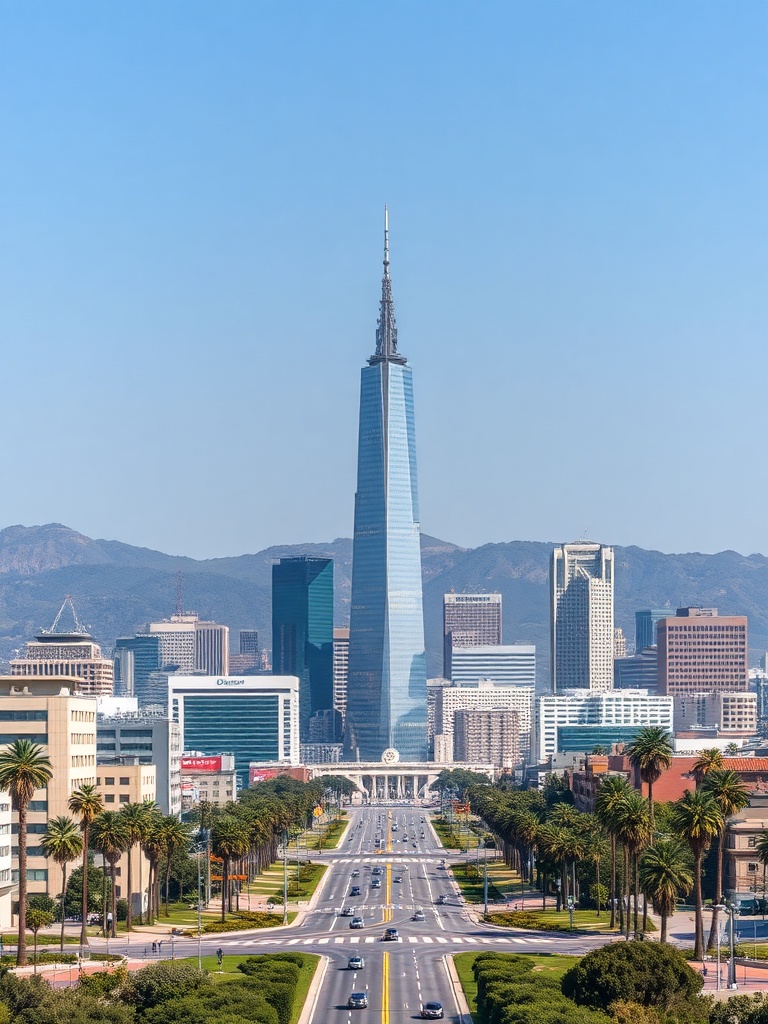
– Downtown and urban centers: Concrete and glass trap heat, creating warmer pockets at midday and into the evening.
Shaded plazas, indoor attractions, and rooftop bars are popular escapes during hotter spells.
Practical tips for locals and visitors
– Layering is key: Start with light, breathable layers that can be shed as temperatures rise.
A thin sweater or windbreaker fits easily in a tote or daypack and solves most temperature surprises.
– Plan transit around conditions: Morning fog may slow coastal traffic and reduce visibility on the freeway; midday heat can make outdoor transit stops uncomfortable.
Check real-time transit apps and allow buffer time for longer walks between transit stops.
– Time outdoor activities: Early morning or late afternoon offer the most comfortable conditions for hiking, beach time, and outdoor markets.
If you must be out midday, seek shaded routes and carry water.
– Dress for sun protection: Even when it’s cool, UV exposure can be high. Wide-brim hats, sunglasses, and sunscreen help prevent sunburn during long outdoor stints.
– Embrace local smart landscaping: Many Angelenos favor drought-tolerant plants and shade trees that reduce ambient temperatures. Native plant gardens not only save water but also create cooler, more pleasant microclimates around homes and public spaces.
Where to go depending on the weather
– Foggy mornings: Head to coastal walkways or beachfront cafés once the fog clears for a classic LA morning. If the marine layer lingers, enjoy indoor coastal museums and galleries.
– Sunny, mild days: Explore hiking trails in Griffith Park or the hills, visit open-air markets, or bike along the beach paths.
– Hot afternoons: Seek shaded botanical gardens, museums, or rooftop pools with cooling misters. Evening food halls and outdoor dining with canopy cover provide relief while letting you enjoy the city vibe.
Why microclimates matter
Microclimates influence everything from commuting patterns to outdoor event planning and energy use. City planners and community groups incorporate these localized conditions into green infrastructure, shade projects, and public cooling strategies. For residents and visitors alike, a little local weather savvy goes a long way toward enjoying LA comfortably and sustainably.
Pack smart, time your plans, and embrace the variety—Los Angeles rewards those who know how to navigate its many climates.