The Los Angeles River is shedding a decades-old reputation as a concrete drainage channel and reemerging as a backbone for public space, ecology, and neighborhood revitalization. What started as a pragmatic flood-control project has evolved into a multi-benefit corridor that connects communities, supports wildlife, and offers new opportunities for recreation and economic activity across the region.
Why the river matters now
The river intersects dozens of neighborhoods, many of which historically lacked green space and reliable access to parks. Efforts to revitalize the river focus on turning underused and neglected stretches into continuous corridors of trails, habitat, and water-management features.
This shift reflects broader priorities: climate resilience, urban livability, and equitable access to nature for all residents.
Approach: multi-benefit design
Revitalization projects emphasize layered solutions rather than single-use fixes. Key strategies include:
– Habitat restoration: Native plantings and re-naturalized riverbanks improve biodiversity, creating refuges for birds, pollinators, and small mammals.
– Public access: Continuous bike and pedestrian paths, plazas, and pocket parks make the river a destination for recreation and daily mobility.
– Flood control with ecological sensitivity: Modern designs balance flood safety with green infrastructure—using terraces, wetlands, and permeable surfaces to slow runoff.
– Stormwater capture and water reuse: Constructed wetlands and retention basins help capture urban runoff for groundwater recharge and irrigation, supporting drought resilience.
– Community-centered design: Planners increasingly collaborate with neighborhood groups to ensure projects reflect local needs and cultural identity.
Neighborhood impacts and economic opportunity
Revitalization stimulates local economies by attracting small businesses, arts programming, and tourism. New parks and pathways increase foot traffic to cafes, markets, and creative venues, fostering entrepreneurship.
However, these gains can trigger rising rents and displacement if not managed carefully.
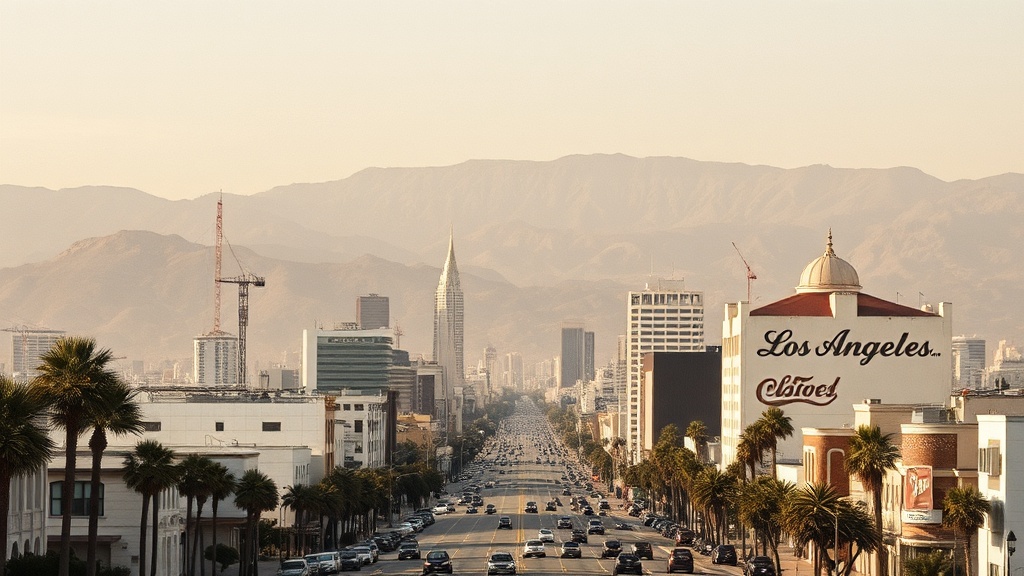
Equitable development measures—affordable housing preservation, community land trusts, and local hiring requirements—are critical tools to ensure benefits reach existing residents.
Challenges to navigate
Completing a continuous, accessible river corridor requires coordination among many agencies, private landowners, and community stakeholders. Funding complexity, regulatory hurdles, and the technical difficulty of working in an urban riverbed add layers of challenge.
Balancing ecological goals with public safety and maintenance needs also demands thoughtful, long-term stewardship plans.
How residents can engage
Local involvement shapes outcomes. Ways to participate include:
– Joining community advisory groups or neighborhood councils focused on river planning
– Volunteering with river cleanups and native-plant restoration events
– Advocating for policies that pair park improvements with protections against displacement
– Supporting local businesses and arts initiatives along riverfront areas to strengthen nearby commercial districts
A shared urban asset
The river’s transformation is an example of how urban infrastructure can be reimagined to serve multiple purposes: flood control, climate adaptation, green connectivity, and community revitalization. When projects prioritize equitable access and long-term stewardship, the river becomes more than a waterway—it becomes a shared public asset that contributes to a healthier, more resilient city. For residents and visitors, the river region increasingly offers peaceful trails, vibrant public spaces, and a chance to experience nature woven into the urban fabric.